
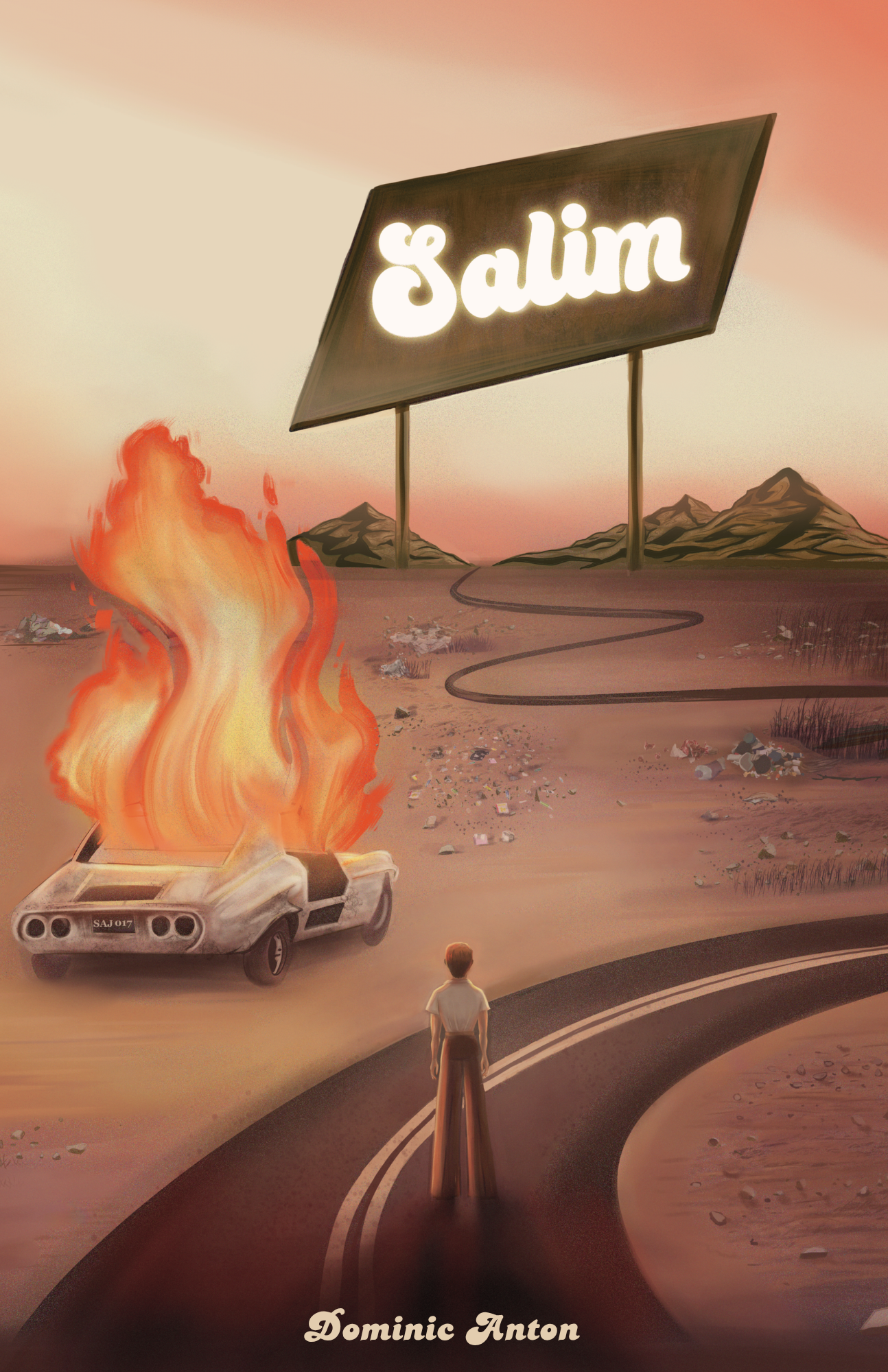
Salim is a poetry collection about legacy, displacement, and the search for self. It traces one family's journey from the streets of Baghdad and the ancient plains of Babylon to the palm-lined sidewalks of Los Angeles. The book explores what it means to be caught between two worlds, the one you left behind and the one that never quite feels like home.
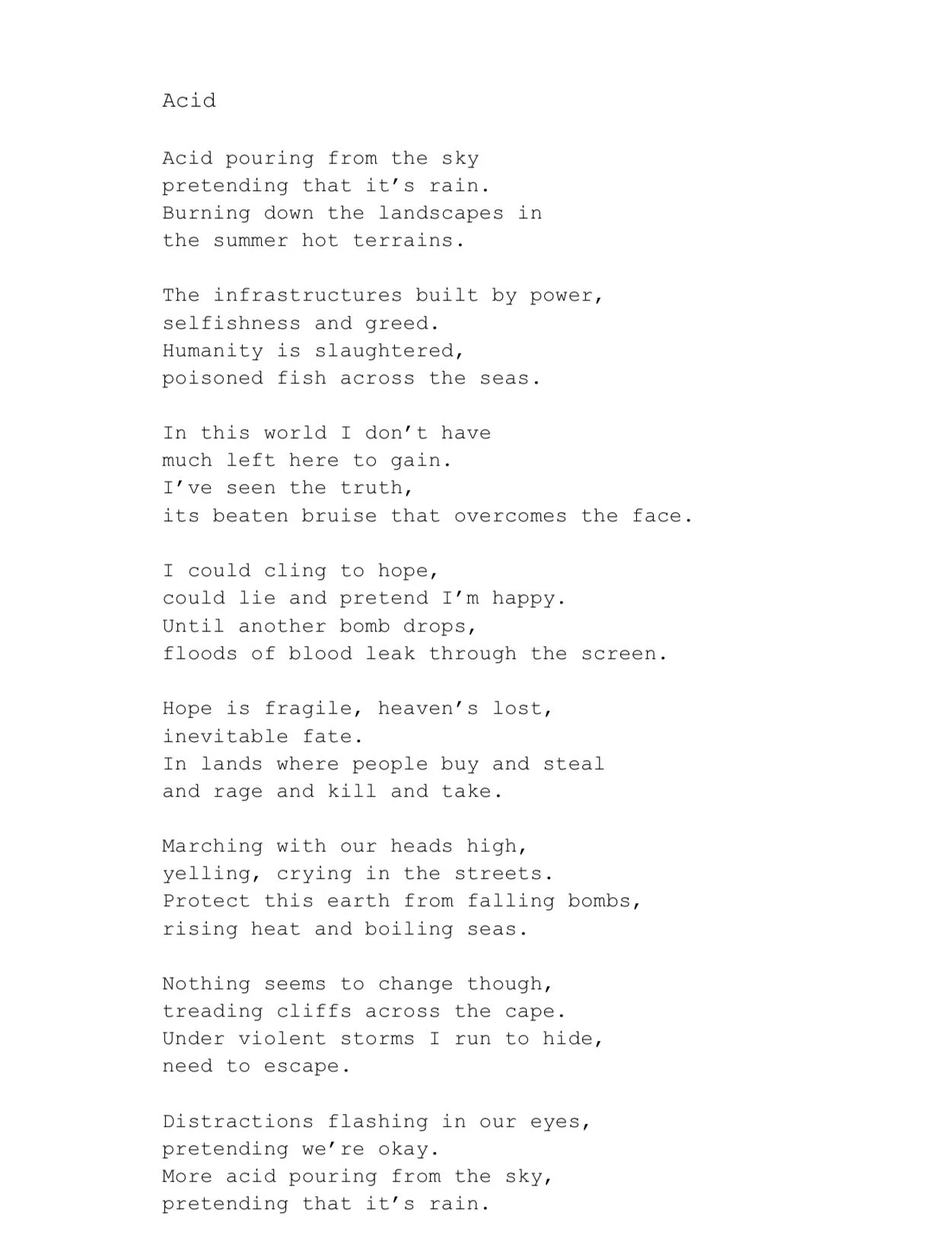
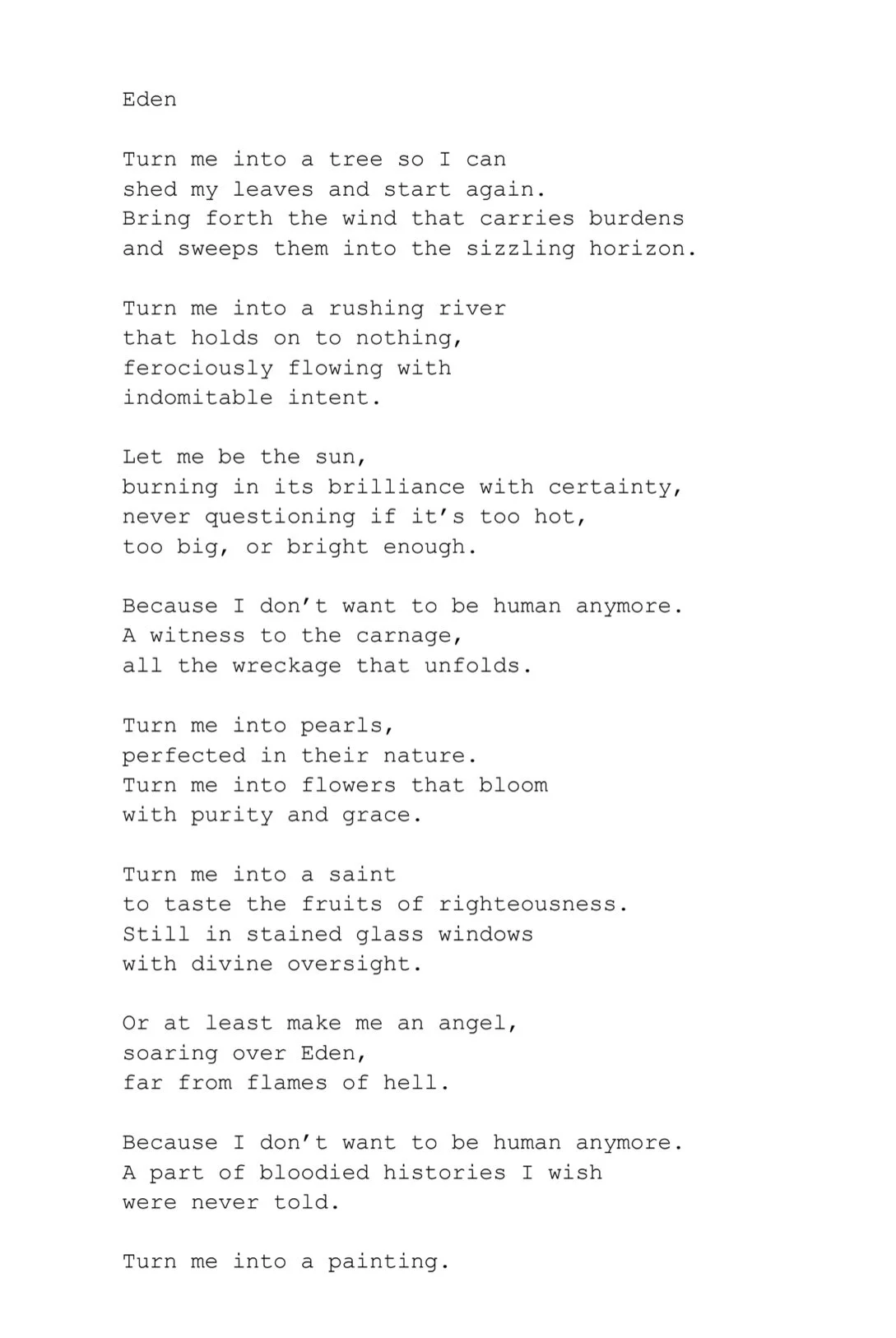
The collection opens with ancestral memory: a grandson longing to understand his grandfather, Salim, and the silences he left behind. From there, it moves through the trauma of displacement, the guilt of benefiting from a system that destroyed your homeland, and the slow, grinding process of building a new life in America. The poems don't look away from the wreckage, they sit in the tension between the American dream of the 1970s and its withering state today.
But Salim is not a book about despair. It's about resilience. It asks: how do we stay whole when the world keeps dividing? How do we hold onto hope when the ground beneath us keeps shifting?
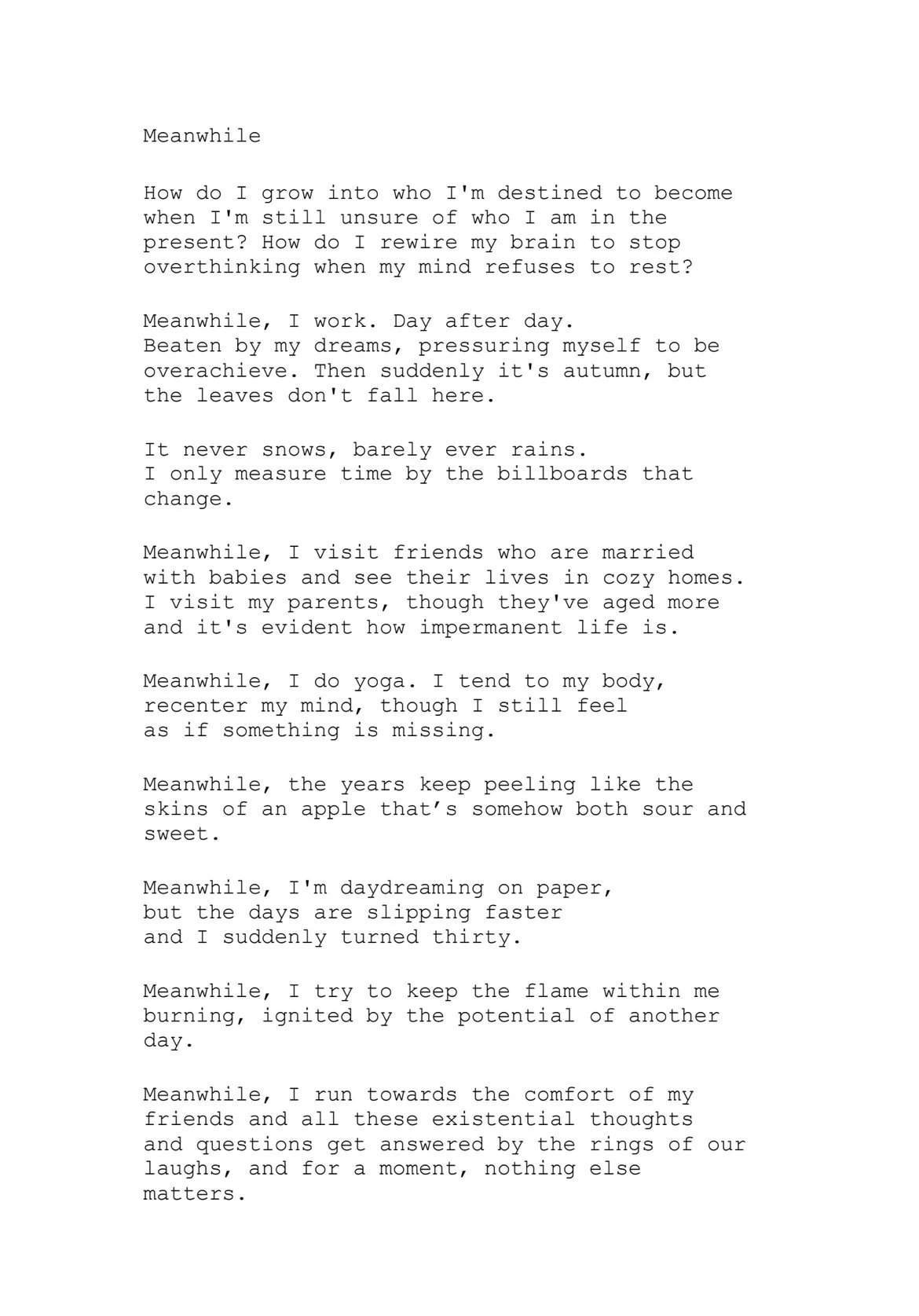
Throughout the collection, the writer wrestles with love, loss, addiction, and the quiet ache of watching friends move on while you're still figuring it out. He navigates the hollow promises of Hollywood, the weight of family legacy, and the exhaustion of trying to be seen in a city that demands everything.
From Iraq to America, from ancestral memory to the Hollywood dream, Salim details the writer's path to understand his place in a modern wasteland and his search for peace in a maddened world.